Rayco Pest Control · Registered in WA

Termite Barrier Perth

A chemical soil treatment for white ants

Licensed technicians install a treated soil zone around Perth homes — for a new slab, or around a house that is already standing.

Treated soil, not a spray on the skirting boards

What a Chemical Termite Barrier Actually Is

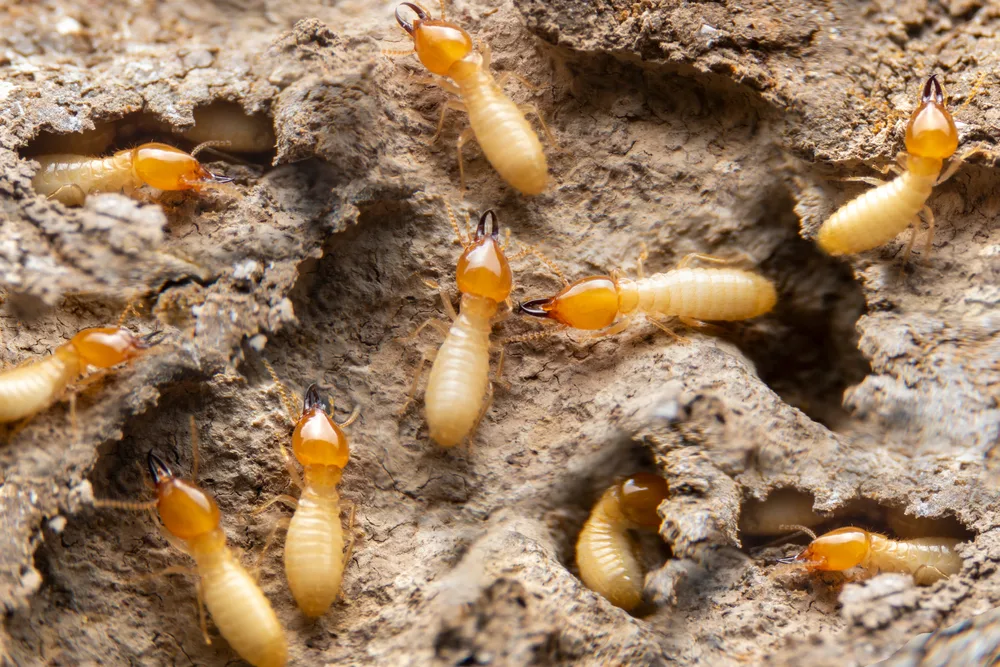
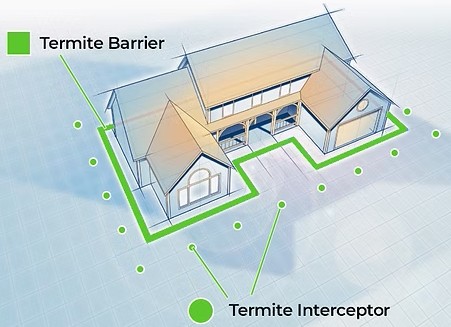
A chemical termite barrier is a continuous treated zone in the soil around a building. Subterranean termites — the ones Perth people call white ants — travel through soil to reach timber. An APVMA-registered termiticide, applied by a licensed technician, is what they have to cross before they get to the slab.

In Perth that soil is often sand, which takes a liquid treatment well. The usual failures are not the chemical itself. They are bridges: mulch and garden beds piled against weep holes, firewood stacked on the slab edge, and a patio or path poured hard against the house. If that treated soil is later dug out for landscaping, the zone has to be put back.

This is a management system, installed to AS 3660.2 on an existing home or AS 3660.1 on a new build. It is not a guarantee that termites can never be found again, and it does not replace a yearly inspection. A barrier also does not clear termites that are already feeding in the roof or wall framing — that colony is a separate job, often with bait stations, and we quote it on its own.

Our commitment: a licensed WA pest-management technician, a treated zone only where the soil can actually be treated, and a written note of any gap we could not close.
Request a Quote
Diagram of a chemical termite barrier around a house slab
Perth homes

Where It Is Used

New slabs and houses that are already built are different jobs

Existing homes

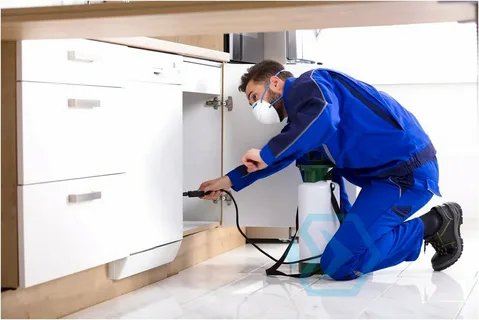
A trench around the footing, with the soil treated and put back. Where a trench is not practical we rod the soil. Concrete paths hard against the slab are drilled, injected and patched.

New builds

A horizontal treated zone under the slab and a vertical zone at the perimeter, timed with the builder. You get a record of the system that was installed.

The Perth species

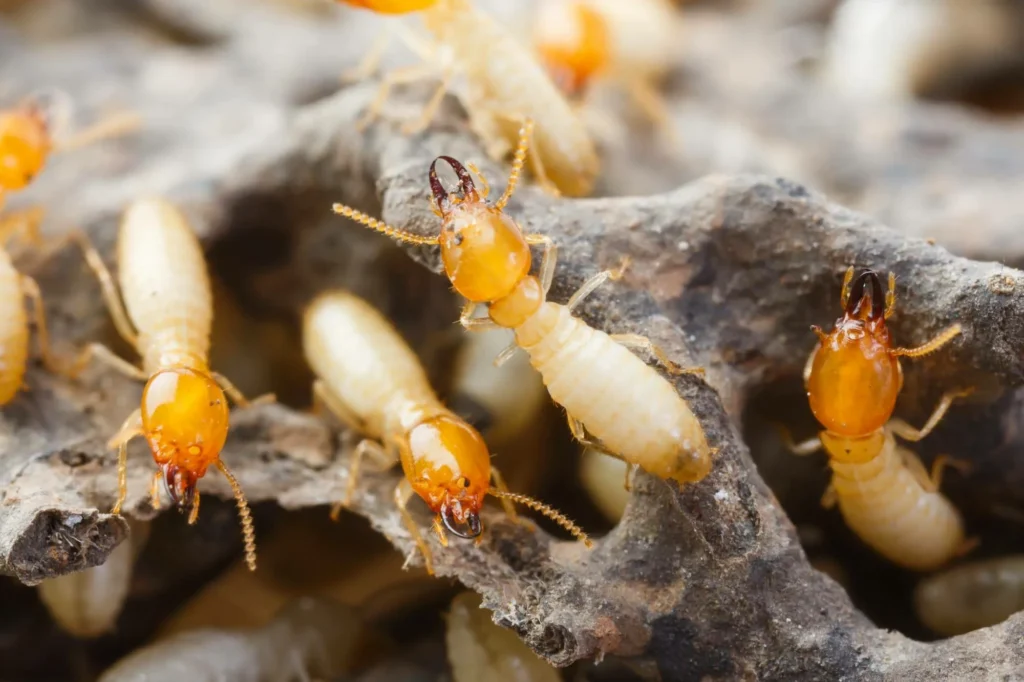
The termite that hollows structural timber here is usually Coptotermes. Heterotermes and Schedorhinotermes forage in the same sandy soils and are part of the same inspection.

Bridges we look for

Garden beds over weep holes, retaining walls, expansion joints, and timber stored against the house. A treated zone only works if termites cannot walk around it.

How the Chemical Is Chosen

Registered termiticides, applied to the label — not a hardware-store spray

Repellent termiticides

Products such as bifenthrin make termites turn away from the treated soil. They suit a complete zone where the aim is to stop entry.

Non-repellent termiticides

Products such as fipronil are not detected as readily. Termites walk through the zone and carry the product as they forage. Useful where activity is close to the house.

Licensed application

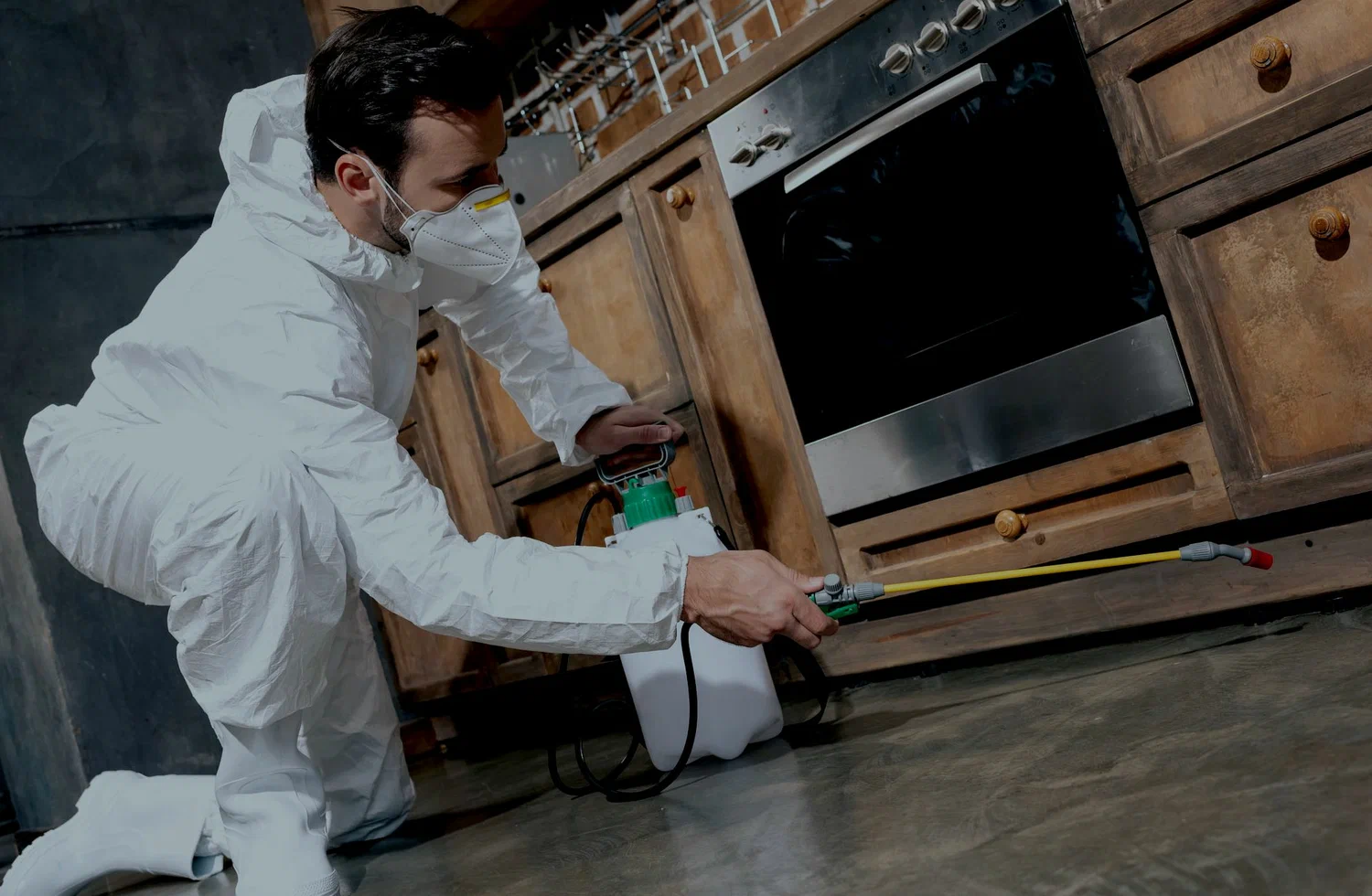
The mix, the volume and the depth are on the product label and are applied by a licensed pest-management technician. We do not leave termiticide for you to trench yourself.

A record of the zone

You get the product used and where the treated soil runs, including any section that could not be treated because of a deck, a neighbour’s slab or a service pipe.

What a Barrier Job Looks Like

Inspection first — a trench is the wrong first step if termites are already inside

1

Inspect the building

We look for mud leads, damaged timber, moisture and the places a treated zone would be broken. Live termites in the frame change the quote.

2

Clear the perimeter

Stored timber, heavy mulch and garden edging hard against the slab have to move so the soil can be treated in a continuous band.

3

Treat the soil

Trench and treat around the footing. Rod where a trench will not work. Drill and inject under concrete paths, then fill the holes.

4

Hand over the plan

You get the treatment record and a plain list of what will break the zone later — new garden beds, a patio, or soil dug out for drainage.

Termite Barrier Prices

Guide only — paving, decks and live termites move the figure

Typical home $1,500–$2,500

A chemical barrier around a typical 3 or 4 bedroom house, from our published price guide. We confirm the price before we start.

What changes the quote

House size, concrete that has to be drilled, decks or structures that must be lifted, and whether termites are already active.

How long it lasts

Label life is measured in years, and some soil treatments are expected to last up to about eight years if the zone stays intact. Disturbed soil is re-treated.

Still inspect yearly

The Australian Standard expects an inspection at least once a year. A barrier is not a reason to stop looking. Most building policies do not cover termite damage.

Barrier, Bait, or Both

They solve different problems

Chemical barrier

Best when the aim is to protect a building that is not currently infested, or to reinstate a zone after the colony has been dealt with.

Bait stations

Better when termites are already in the house. Stations let the colony feed and carry the bait home. They do not leave a residual zone in the soil once the bait is gone.

Termite Treatment
When we use both

An active infestation is quoted as a colony treatment first. The soil barrier can follow so the next colony has a treated zone to cross.

What this page is not

Not a retail spray, not a foam into one mud lead, and not a substitute for fixing a leaking shower or a garden bed over the slab edge.

Termite Barriers Near You

A local registered pest-management business

Licensed technicians

Termiticides are restricted products. They are mixed and applied by licensed pest-management technicians, to the label and to AS 3660.

People and pets

The work is mostly outside. Keep children and pets off treated soil until it has soaked in. We tell you when paths can be used again.

Greater Perth coverage

From Joondalup to Rockingham, Fremantle to the hills — plus Bunbury and Busselton when booked.

Part of Pest Control

Ants, spiders and other insects are a different visit. A termite barrier is quoted on its own.

Pest Control

Service Areas

Greater Perth and the South West

We install chemical termite barriers across Greater Perth and nearby regional centres, including the council areas of Armadale, Bassendean, Bayswater, Belmont, Bunbury, Busselton, Cambridge, Canning, Claremont, Cockburn, Cottesloe, East Fremantle, Fremantle, Gosnells, Joondalup, Kalamunda, Kwinana, Mandurah, Melville, Mosman Park, Mundaring, Nedlands, Perth, Rockingham, South Perth, Stirling, Subiaco, Swan, Victoria Park, Vincent and Wanneroo.

If your suburb is not listed, still get in touch — we regularly travel for booked work across the metro area.

Frequently Asked Questions

What Perth homeowners usually ask before a termite barrier

A continuous band of soil treated with a registered termiticide around the building, and under a new slab when the treatment is done during construction. Termites travelling through that soil meet the product before they reach the timber.

Yes. On an existing Perth home we trench and treat the soil around the footing, rod where a trench is not practical, and drill through concrete paths that sit against the slab. We cannot treat soil we cannot reach, and those gaps are written on the record.

No. A chemical barrier is a treated soil zone. Bait stations are for a colony that is already feeding, including termites inside the house. If we find live workings, the colony treatment is quoted separately. The barrier can be installed once that colony is under control.

A chemical barrier around a typical 3 or 4 bedroom home is often $1,500 to $2,500. Decks, extra paving that has to be drilled, and active termites change the price. We confirm it before we start.

It depends on the product label and on whether the soil stays put. Some chemical soil treatments are expected to last up to about eight years when the zone is not dug up or built over. A new garden bed or patio against the slab means that section has to be treated again.

Yes. AS 3660 calls for an inspection at least annually. Termites can bridge a treated zone with a mud lead over paving or through a garden bed. A barrier makes entry harder and more visible. It is not a reason to stop inspecting. Termite damage is commonly excluded from home building insurance.

The treatment is outside, in the soil. You can usually stay. Keep children and pets off the treated soil until it has soaked in, and stay clear of the trench while we are working. Drilled holes in paths are filled before we leave.

Ready to Book a Termite Barrier?

Same local team — call or send the quote form

Rayco Pest Control is a registered pest-management business in WA. If you want a chemical termite barrier on a new build or an existing home, contact us for a free quote.