Rayco Pest Control · Registered in WA

Termite Treatment Perth

Inspection first, then a colony plan

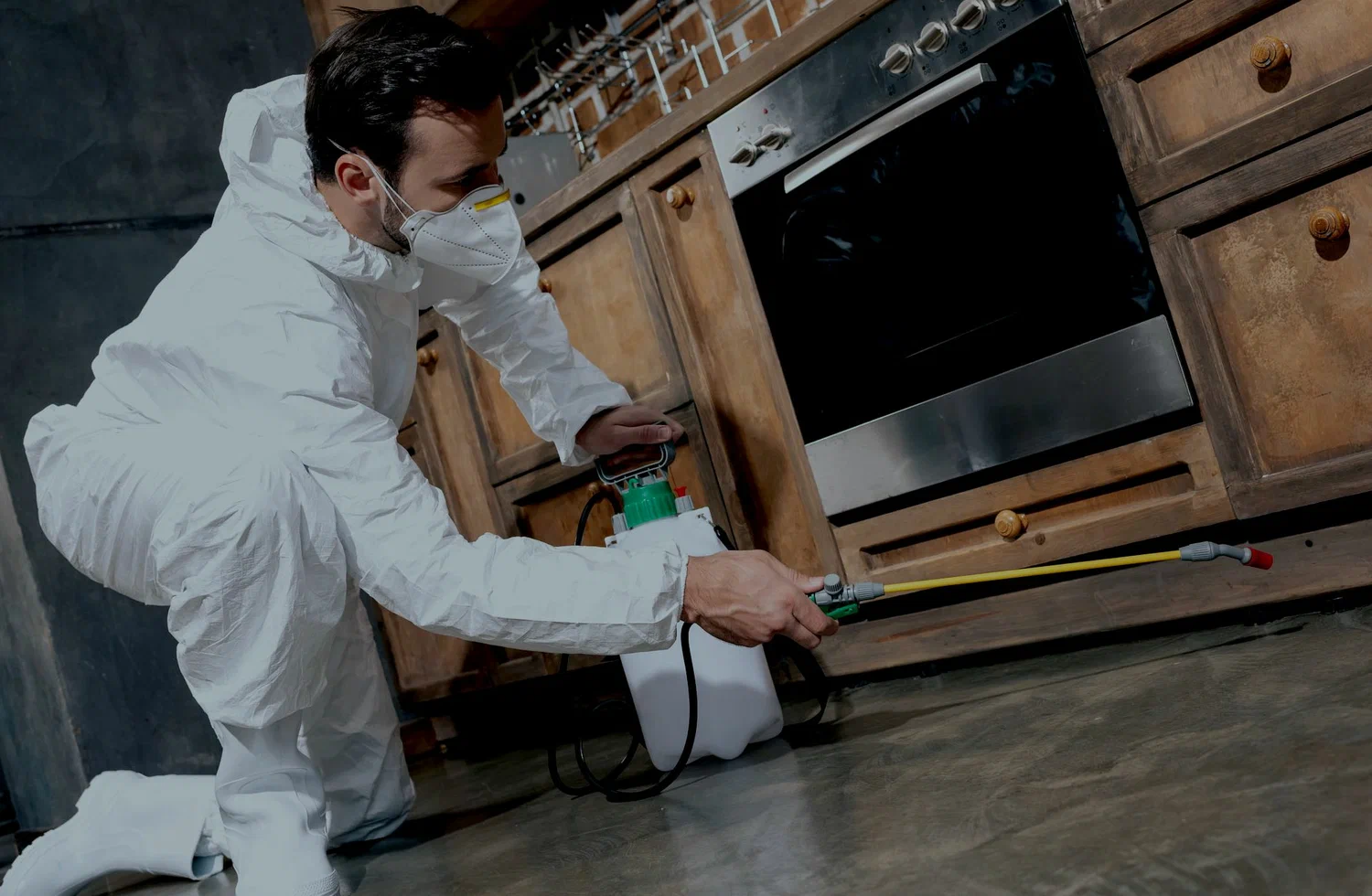
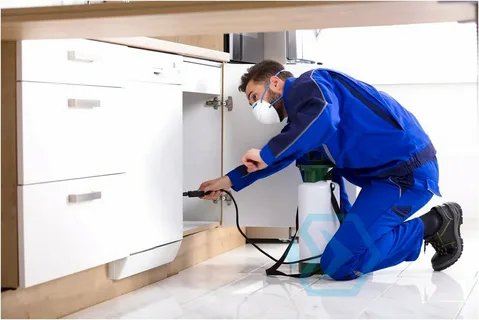
Licensed technicians inspect Perth homes for white ants and, when the colony is active, treat it with bait stations rather than a spray on the mud lead.

Find the colony before you trench the garden

Treatment Is Not the Same Job as a Barrier

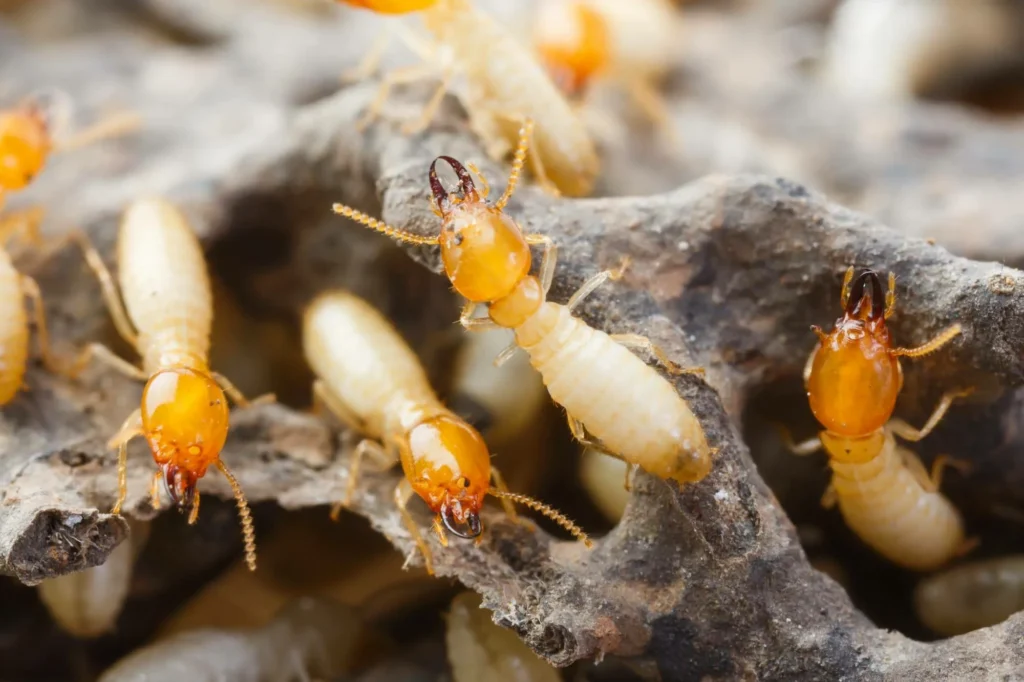
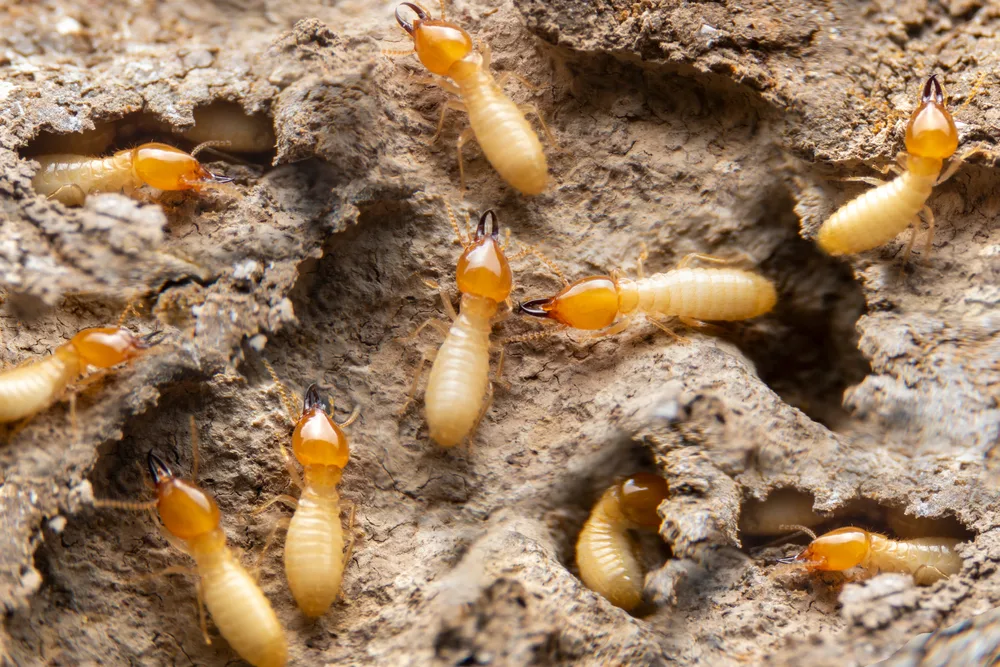
Termite treatment starts with finding out whether white ants are already in the building. In Perth the species that hollows roof framing, door jambs and skirtings is usually Coptotermes. They work inside the timber, so a house can look fine until a skirting gives way or a mud lead shows on the slab edge.

If the colony is active, the job is to reach it — usually with bait stations the termites feed on and carry home. That takes return visits over weeks, not a single spray on the mud lead. Spraying a lead with a supermarket insecticide often just pushes the termites somewhere you can no longer see.

A chemical soil barrier is a different visit. It is the treated zone that makes the next colony harder to miss. The detail of that job, including the $1,500–$2,500 guide for a typical 3–4 bedroom home, is on the Termite Barrier page. An active infestation is quoted after the inspection, because the number of stations and return visits depends on where the termites are.

Our commitment: a licensed WA pest-management technician, a written note of what was found, and a plan that says whether this is a colony treatment, a soil barrier, or both.
Request a Quote
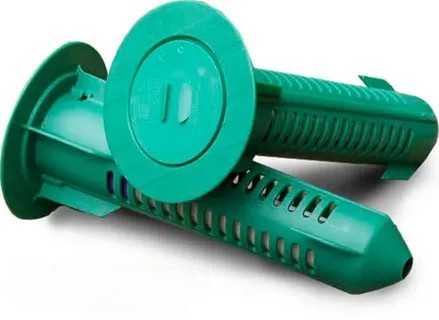
In-ground termite monitoring and bait stations
White ants

Signs Worth a Call

What shows up on Perth houses before the timber fails

Mud leads

Shelter tubes on slab edges, weep holes, piers and expansion joints. They are the covered highway from the soil into the house.

Soft or hollow timber

Skirtings, architraves and door frames that sound hollow or break under a light push. The paint can still look intact.

Wings on the sill

Discarded wings after a flight, often in spring and early summer. A flight means a colony is mature nearby. It does not by itself prove they are in your roof.

Moisture against the slab

A leaking shower, air-conditioner overflow, or garden bed over the weep holes. Termites follow water. Fixing the leak is part of the plan.

How We Treat

The method follows the inspection, not a package picked in advance

Inspection

Roof void where it is safe to enter, wet areas, subfloor if there is one, and the grounds: fences, stumps, stored timber and trees against the house. You get a written note of what was found.

In-ground stations

Stations in the soil around the building. Termites find the timber in them first. Once they are feeding, that timber is replaced with bait they carry back to the colony.

Stations on the lead

Above-ground stations fixed to an active mud lead or damaged timber inside. They are for a colony that has already arrived, and they stay until the feeding stops.

Soil barrier afterwards

Once the colony is under control, a treated soil zone makes the next entry harder. That installation is the Termite Barrier page, and it is quoted on its own.

Termite Barrier

What a Treatment Looks Like

From the first look through to the return visits

1

Inspect before any trench

We look for leads, damaged timber and moisture. If termites are already inside, digging a barrier first can disturb the workings we need them to keep using.

2

Install the stations

In-ground stations around the perimeter, and above-ground stations on live leads. Leave them where they are. Do not spray them.

3

Return until feeding drops

Bait has to be shared through the colony. That is often several weeks to a few months, with visits to check the stations and top up bait.

4

Decide on a barrier

When the colony has dropped, we talk about a chemical soil barrier so the next foraging group meets treated soil. Yearly inspections stay on the plan.

What It Costs

The barrier has a published guide. An active colony is quoted on site

Inspection first

Tell us the suburb and what you have seen — a mud lead, soft timber, or wings. We confirm whether this is an inspection, a colony treatment, or a barrier quote.

Barrier $1,500–$2,500

A chemical soil barrier around a typical 3 or 4 bedroom home, from our published price guide. Decks and paving that must be drilled move the figure.

Termite Barrier
Baiting is site-specific

Station numbers and return visits depend on how far the termites have spread. We price that after the inspection, before any bait goes in.

Damage is rarely insured

Most building policies do not cover termite damage. The treatment stops the colony. It does not rebuild timber that has already been eaten.

While the Stations Are In

A few things that undo a bait job

Do not spray the lead

A surface spray on a mud tube can split the workings and send termites into another wall. Leave the lead for the station.

Leave stations put

In-ground stations sit flush in the soil. Mowing over them or covering them with mulch stops the termites finding the bait.

It is not overnight

The colony has to keep feeding and sharing. Expect return visits over weeks. We will tell you when feeding has dropped off.

People and pets

Stations are closed. You can usually stay in the house. Keep pets from digging them up, and stay out of the roof void if we are working in it.

Termite Treatment Near You

A local registered pest-management business

Licensed technicians

Bait and any termiticide dust used on a live lead are applied by licensed pest-management technicians. We do not leave colony bait for you to place.

The Perth species

Coptotermes does the serious structural damage here. Heterotermes and Schedorhinotermes forage in the same sandy soils and are part of the same inspection.

Greater Perth coverage

From Joondalup to Rockingham, Fremantle to the hills — plus Bunbury and Busselton when booked.

Barrier is the other page

If you want a treated soil zone on a new slab or an existing home, and there is no live colony to deal with first, start on Termite Barrier.

Termite Barrier

Service Areas

Greater Perth and the South West

We inspect and treat termites across Greater Perth and nearby regional centres, including the council areas of Armadale, Bassendean, Bayswater, Belmont, Bunbury, Busselton, Cambridge, Canning, Claremont, Cockburn, Cottesloe, East Fremantle, Fremantle, Gosnells, Joondalup, Kalamunda, Kwinana, Mandurah, Melville, Mosman Park, Mundaring, Nedlands, Perth, Rockingham, South Perth, Stirling, Subiaco, Swan, Victoria Park, Vincent and Wanneroo.

If your suburb is not listed, still get in touch — we regularly travel for booked work across the metro area.

Frequently Asked Questions

What Perth homeowners usually ask when they think they have termites

No. Treatment on this page means finding out if a colony is active and, if it is, getting bait to that colony. A chemical termite barrier is a treated soil zone around the building. We often do the colony first and the barrier after. The barrier has its own page and its own quote.

Look for mud leads on the slab edge or weep holes, timber that sounds hollow, blistered paint on skirtings, and discarded wings on window sills after a flight. None of those proves the roof is infested. An inspection is what confirms it.

Often several weeks to a few months. Termites have to find the station, feed, and share the bait through the colony. We come back to check the stations. It is not a one-hour spray.

Please don't. A surface spray can break the lead and send the termites into another part of the frame, where the next inspection has less to follow. Leave the lead in place and call us.

A chemical soil barrier around a typical 3 or 4 bedroom home is often $1,500 to $2,500. Baiting an active colony depends on how many stations and return visits the site needs, so that price is confirmed after the inspection and before we install anything.

Yes. AS 3660 expects an inspection at least once a year, including after a colony has been treated. A bait program does not leave a permanent residue in the soil. A barrier helps, and it still needs to be looked at.

Usually no. Stations are closed and the work is around the outside or on a lead inside. Stay out of the roof if a technician is in the void, and keep pets from digging up in-ground stations.

Ready to Book a Termite Inspection?

Same local team — call or send the quote form

Rayco Pest Control is a registered pest-management business in WA. If you have seen a mud lead, soft timber or wings, contact us and we will inspect before recommending bait, a barrier, or both.