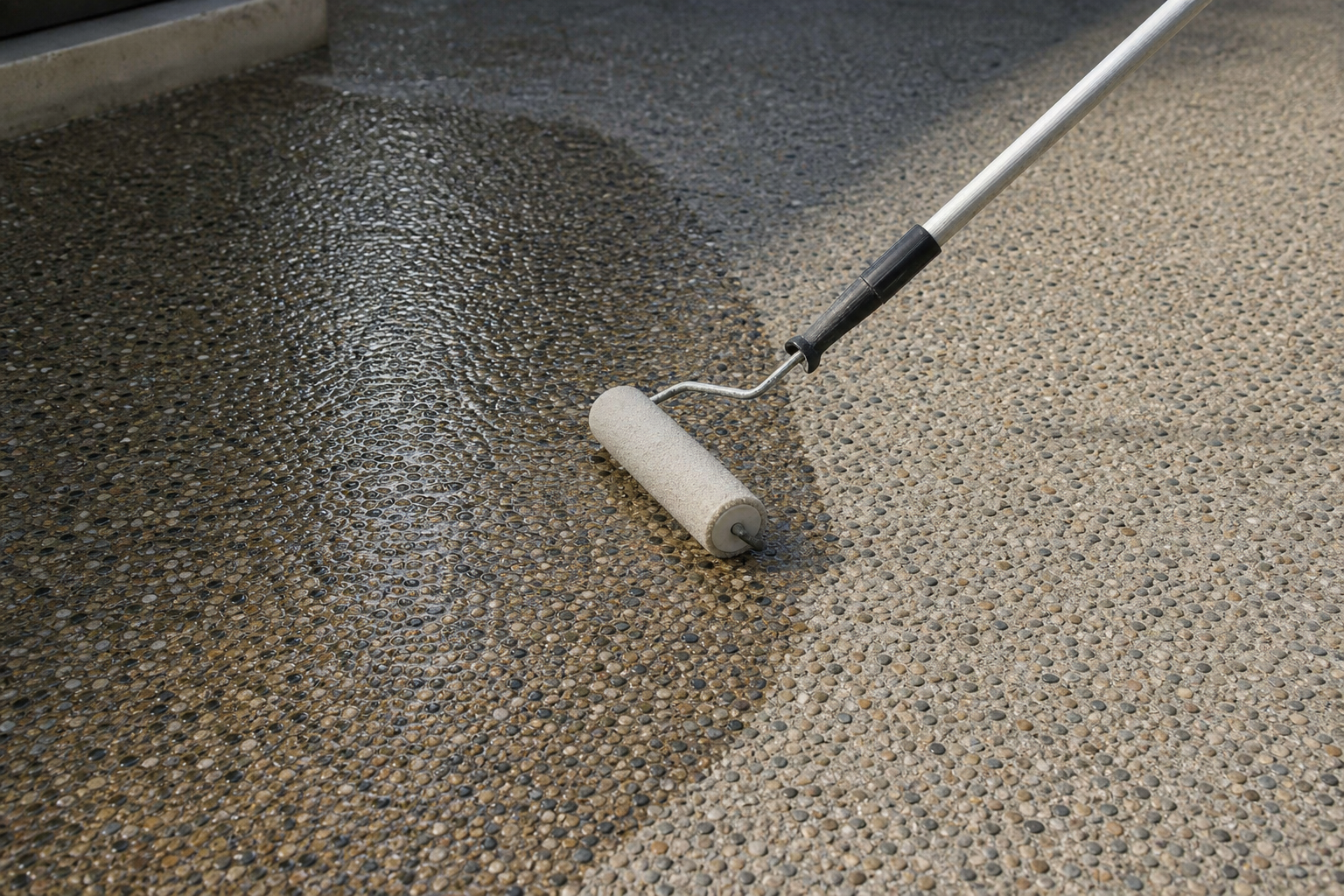
Search “concrete sealer” and you will see words like protect, weatherproof, water-resistant and waterproof used almost interchangeably. They are not the same — and for Dulux Avista film-forming sealers the distinction matters.
Short answer: Avista film-forming sealers are protective sealers. They help the surface shed water and reduce staining, dusting and dirt pickup. They are not waterproofing membranes.
Rayco will not sell or describe them as membrane waterproofing. If your problem is leaks into a structure, rising damp, or a true waterproofing detail, you need a different conversation.
What a sealer actually does
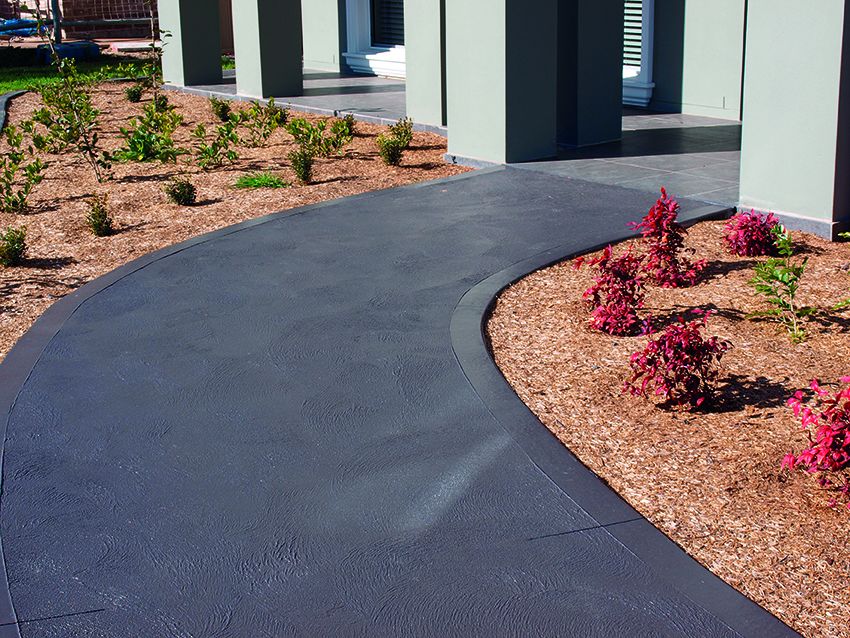
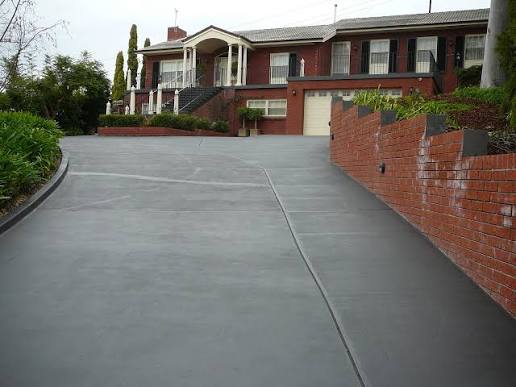
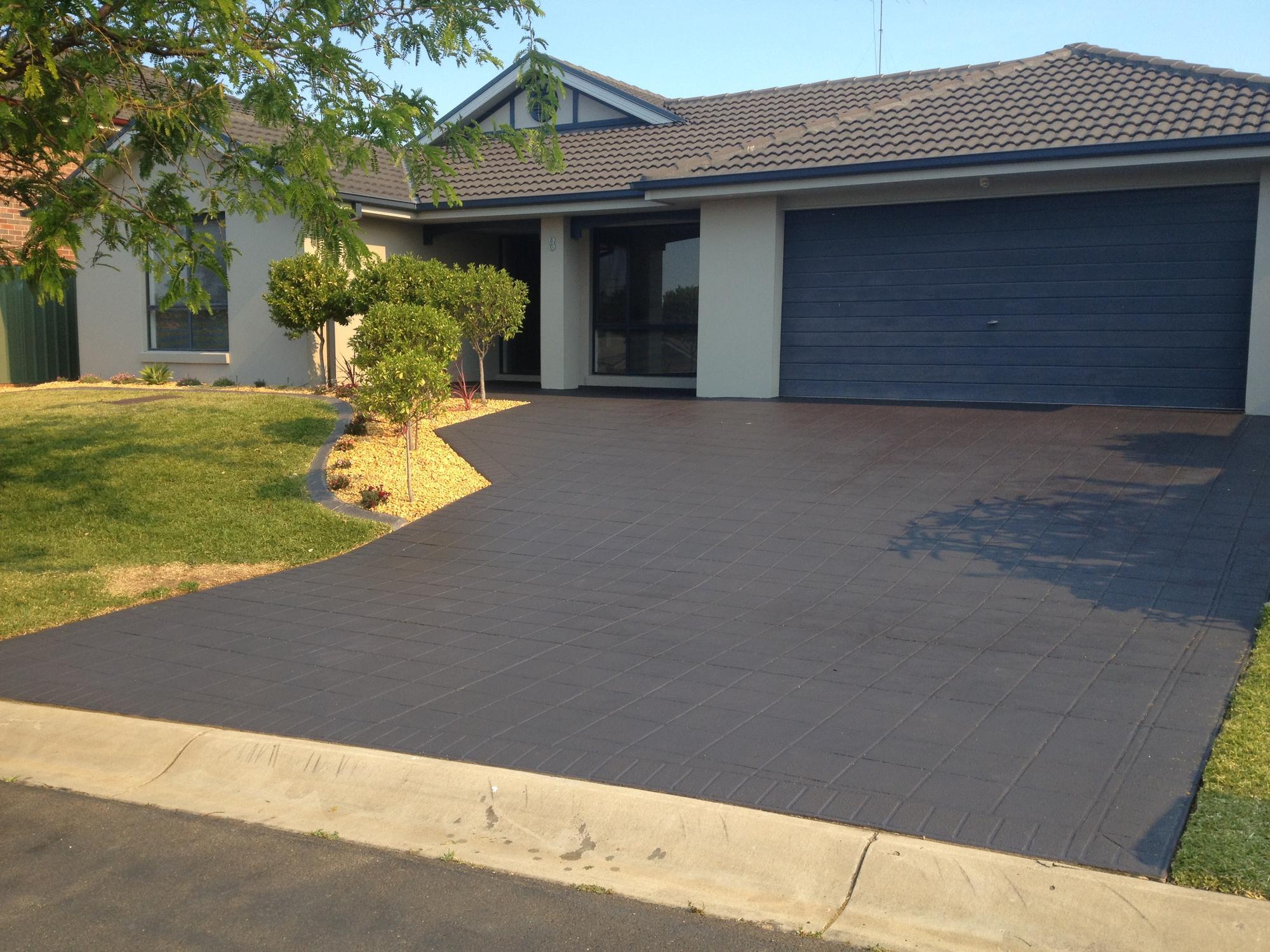
On exterior concrete — driveways, paths, patios, many decorative finishes — a professionally applied Dulux Avista sealer typically:
- Helps reduce staining from leaves, tannin, tyre marks and general grime
- Helps reduce dusting on the surface
- Helps the slab shed water so it stays cleaner and dries more evenly
- Can enhance appearance (clear wet-look, or coloured sealer systems)
- Makes routine cleaning easier
That is real protection for how most homeowners and many commercial sites use outdoor concrete.
What “waterproof” usually means in building work
In construction, waterproofing usually means a membrane or system designed to stop water passing through a building element — balconies, planter boxes, wet areas, tanking, roof decks, and so on — often with falls, junctions, detailing and warranties that go with that trade.
A thin acrylic sealer film on a driveway is not that system. Dulux’s own guidance for Avista film-forming sealers is clear: they are not to be used as waterproofing membranes.
So if someone promises that “sealing will waterproof your slab,” treat that as a red flag.
Film sealer vs penetrating sealer
Not all sealers work the same way:
- Film-forming sealers (most Avista exterior acrylics) sit on the surface as a clear or coloured film.
- Penetrating sealers soak in, leave little or no film, and can help repel water while keeping a more natural look — still not a substitute for a waterproofing membrane, and they have their own limits (for example, they are generally for uncoated porous surfaces and are hard to overcoat later).
Both can be useful. Neither automatically equals “waterproof construction.”
When sealing is still the right job
Sealing (or coating, where that system fits) is the right answer when you want to:
- Protect a sound exterior slab from staining and wear
- Refresh appearance with clear or coloured Avista sealers
- Make cleaning easier on driveways, paths and patios
- Specify a proper garage floor coating (epoxy + topcoat) rather than a driveway acrylic indoors
It is the wrong answer when the real need is structural waterproofing, unresolved moisture from below, or a failed membrane detail.
Honest language we use on quotes
You will hear us say things like:
- “Help reduce staining and dusting”
- “Help the surface shed water”
- “Protective sealer — not a waterproofing membrane”
You will not hear us claim that an Avista driveway sealer will stop leaks through a slab or replace a membrane.
That honesty is deliberate. It matches Dulux Avista guidance and stops expensive misunderstandings.
Related questions
Will sealing stop rain soaking in forever?
It helps the surface manage water and stay cleaner. It does not create a guaranteed waterproof barrier for the building.
What about ponds or areas that hold water?
Ponding, poor falls and trapped moisture are assessment issues. Sealers applied over damp concrete risk whitening or failure. We check moisture and preparation before specifying.
Is coating more “waterproof” than sealing?
Floor coatings (for example epoxy systems) are thicker wearing surfaces with their own chemical resistance. They still are not automatic waterproofing membranes for building envelopes.
Next step
If your goal is a cleaner, better-protected driveway or patio, sealing and coating with the right Dulux Avista system is usually the path. If your goal is stopping leaks into a structure, tell us that up front so we assess the right trade — not just a sealer.
Based on Dulux Avista Australian product guidance. Site conditions always decide the final recommendation.
Related reading: Sealing vs coating vs resurfacing · Garage floor vs driveway sealer · Are concrete sealers waterproof?
Comments (0)
No comments yet. Be the first to share your thoughts!